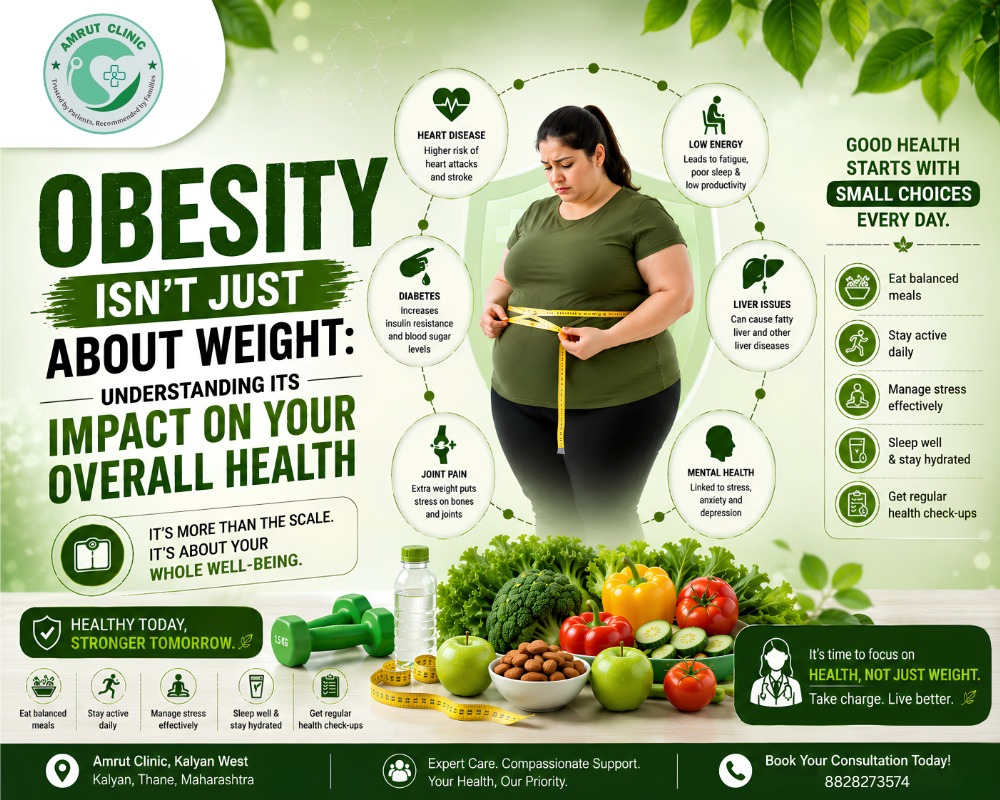
Obesity Isn't Just About Weight: Understanding Its Impact on Your Overall Health
People often think obesity is just about being overweight or how you look. But it's more than just a number on the scale. Obesity is a serious medical issue that can impact almost every part of your body and greatly increase your chances of developing long-term health problems.
It has become one of the biggest health concerns worldwide, affecting people of all ages. Factors such as physical inactivity, unhealthy eating habits, poor sleep, stress, and genetics all contribute to its increasing prevalence.
The good news is that understanding obesity is the first step toward managing it and improving your overall health.
More Than Just Fat
Your weight alone doesn't always tell the complete story. What matters more is how excess body fat affects the way your body functions.
Carrying too much body fat over time places extra strain on your heart, joints, muscles, hormones, and metabolism. It can also trigger chronic inflammation, which is linked to many serious long-term health conditions.
That's why healthcare professionals consider obesity a medical condition that deserves proper attention rather than simply being a lifestyle issue.
How Obesity Affects Your Health
The effects of obesity usually develop gradually. Over time, it can silently increase the risk of several serious health conditions.
1. Type 2 Diabetes
One of the strongest links to obesity is Type 2 diabetes. Excess body fat, especially around the abdomen, can make your body less responsive to insulin, a condition known as insulin resistance.
When insulin doesn't work effectively, blood sugar levels rise, increasing the risk of developing diabetes. Early lifestyle changes and regular health screenings can significantly reduce this risk.
2. Heart Disease and High Blood Pressure
Your heart has to work harder when carrying extra weight. Obesity can contribute to high blood pressure, unhealthy cholesterol levels, heart disease, and stroke.
These conditions often develop slowly without obvious symptoms. Maintaining a healthy weight helps protect your heart and can reduce long-term cardiovascular risk.
3. Joint Pain and Reduced Mobility
Your knees, hips, and lower back support your body every day. Extra weight increases pressure on these joints, making pain, stiffness, and osteoarthritis more likely.
Even everyday activities such as climbing stairs, walking, or standing for long periods may become increasingly difficult.
4. Sleep Problems
Many people living with obesity experience poor sleep or conditions such as sleep apnea, where breathing repeatedly stops and starts during sleep.
Poor sleep can affect energy levels, concentration, metabolism, and blood sugar control, creating a cycle that may make weight management more challenging.
5. Emotional Health
Obesity doesn't only affect physical health. It can also influence emotional well-being, confidence, self-esteem, and overall quality of life.
Stress, anxiety, and emotional eating may make weight management more challenging. Looking after mental health is an important part of caring for overall health.
Small Habits Make a Big Difference
Many people believe improving their health requires extreme diets or intense workouts. In reality, lasting results often come from small, sustainable lifestyle changes.
Healthy habits include:
1. Eating balanced home-cooked meals more often
2. Reducing sugary drinks and processed foods
3. Staying physically active every day
4. Getting enough quality sleep
5. Managing stress effectively
6. Scheduling regular medical check-ups
These simple changes can support healthier weight and improve overall health over time. The goal isn't perfection, but making healthier choices consistently.
Why Early Action Matters
Many obesity-related health problems develop silently. People often don't realize they have high blood sugar, high blood pressure, or abnormal cholesterol until complications begin to appear.
Regular medical check-ups can help detect these problems early, allowing timely treatment and lifestyle modifications before more serious complications develop.
Looking Beyond the Scale
Managing obesity isn't simply about losing weight. It's about improving your health, reducing future health risks, and enhancing your overall quality of life.
At Amrut Clinic, we believe obesity management should focus on long-term wellness rather than quick fixes. Through personalized guidance, preventive health screenings, and lifestyle support, we help patients understand how weight can affect diabetes, heart health, and overall well-being.
Because true health isn't defined by the number on the scale—it's about how well your body functions, how energetic you feel, and how confidently you enjoy everyday life.