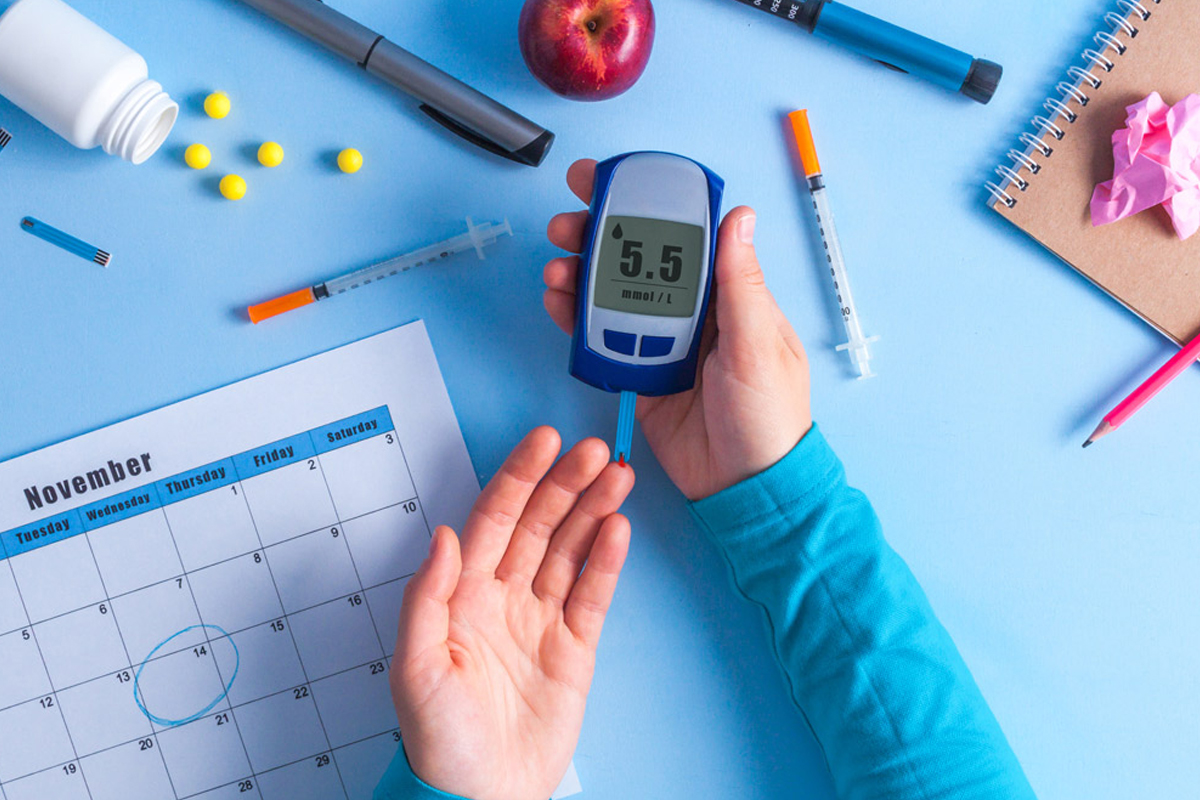
Diabetes Management
Diabetes is a long-term condition in which blood sugar levels remain higher than normal. With appropriate medical care, regular monitoring and healthy lifestyle habits, diabetes can be managed as part of your everyday life.
Effective diabetes management is more than simply checking blood sugar levels. It involves understanding your condition, monitoring your health, taking prescribed treatment correctly and making lifestyle choices that support better long-term health.
Regular medical consultations can help assess blood sugar control, review treatment, identify risk factors and address concerns early. A personalised approach can help patients manage diabetes while reducing the risk of complications.
Conditions
What Diabetes-Related Concerns Can Be Managed?
Diabetes management may involve medical care and monitoring for different blood sugar-related concerns, including:
- Type 1 Diabetes
- Type 2 Diabetes
- Newly Diagnosed Diabetes
- Uncontrolled or Fluctuating Blood Sugar
- High Blood Sugar
- Low Blood Sugar Concerns
- Diabetes Requiring Regular Monitoring
- Diabetes With Other Chronic Conditions
- Diabetes-Related Health Risks
- Long-Term Diabetes Management
Diabetes can affect different aspects of health over time. Regular medical assessment helps monitor your overall health and identify areas that may require additional attention.
Symptoms
What Are the Common Symptoms of Diabetes?
Some people with diabetes may have few or no noticeable symptoms, particularly in the early stages. When symptoms occur, they may include:
- Increased thirst
- Frequent urination
- Increased hunger
- Unexplained weight loss
- Persistent tiredness or weakness
- Blurred vision
- Slow-healing cuts or wounds
- Frequent infections
- Dry or itchy skin
- Tingling or numbness in the hands or feet
- Changes in blood sugar levels
Diabetes May Not Always Cause Symptoms
A person can have elevated blood sugar without obvious symptoms. Regular health checks and appropriate blood sugar testing can therefore be important, especially for people with risk factors or a family history of diabetes.
If you experience severe weakness, confusion, loss of consciousness, difficulty breathing or other sudden concerning symptoms, seek urgent medical attention.
Causes
What Can Contribute to Diabetes?
Diabetes can develop for different reasons depending on its type. Type 2 diabetes is influenced by a combination of genetic, metabolic and lifestyle factors, while Type 1 diabetes involves the body's immune system affecting insulin-producing cells.
Factors that may increase the risk of developing Type 2 diabetes include:
- Family history of diabetes
- Overweight or obesity
- Lack of regular physical activity
- Unhealthy dietary habits
- Increasing age
- High blood pressure
- Abnormal cholesterol levels
- History of certain metabolic conditions
- Previous high blood sugar during pregnancy
Having one or more risk factors does not necessarily mean that a person will develop diabetes. Medical evaluation and appropriate testing can help determine your individual health status and risk.
Treatment
Personalised Diabetes Treatment and Management
Diabetes treatment is individualised according to the type of diabetes, blood sugar levels, medical history, lifestyle and overall health. The goal is to maintain appropriate blood sugar control while supporting long-term health.
Depending on your individual needs, diabetes management may include:
Blood Sugar Assessment
Blood sugar levels and relevant medical information may be reviewed to understand how well your diabetes is being managed.
Medication Management
Medicines may be prescribed or adjusted according to your condition and treatment response. Do not stop or change prescribed medication without medical advice.
Dietary Guidance
Appropriate dietary guidance can help you make practical food choices, manage portions and support healthier blood sugar levels.
Physical Activity Guidance
Regular physical activity can be an important part of diabetes management. The type and level of activity should be appropriate for your health and individual circumstances.
Regular Monitoring
Regular monitoring helps track blood sugar control and provides an opportunity to review your treatment plan when needed.
Complication Risk Assessment
Ongoing medical care can help assess factors associated with diabetes-related complications and determine whether additional evaluation is required.
Follow-Up Care
Regular follow-up allows your progress, treatment response and changing health needs to be reviewed over time.
Benefits
Why Is Regular Diabetes Management Important?
Diabetes is a condition that requires ongoing attention. Regular medical care can help you understand your condition, monitor your health and make appropriate changes to your management plan when needed.
Better Blood Sugar Management
Regular monitoring and appropriate treatment can support better control of blood sugar levels.
Personalised Treatment
Your diabetes management plan can be adjusted according to your individual health needs, treatment response and lifestyle.
Early Identification of Health Concerns
Regular consultations provide opportunities to identify changes in your health that may require further evaluation.
Reduced Risk of Complications
Consistent diabetes management and appropriate monitoring can help reduce the risk of health problems associated with prolonged uncontrolled blood sugar.
Better Understanding of Diabetes
Understanding your blood sugar levels, medicines, food choices and lifestyle can help you take an active role in managing your condition.
Support for Long-Term Health
Regular care, healthy habits and appropriate treatment can support your overall well-being while living with diabetes.
Prevention
Healthy Habits Can Help Reduce Diabetes Risk
Type 1 diabetes cannot currently be prevented through lifestyle changes. However, healthy lifestyle habits can help reduce the risk of Type 2 diabetes and support better health.
Maintain a Balanced Diet
Choose a balanced diet with appropriate portions and include a variety of nutritious foods while limiting excessive intake of highly processed and sugary foods.
Stay Physically Active
Regular physical activity can support healthy body weight, metabolism and overall health. Choose activities that are appropriate for your age and health condition.
Maintain a Healthy Weight
Maintaining a healthy weight can help reduce certain metabolic health risks and support overall well-being.
Monitor Blood Sugar When Advised
People with diabetes or increased risk of diabetes may benefit from regular blood sugar assessment as advised by their doctor.
Manage Blood Pressure and Cholesterol
Paying attention to blood pressure and cholesterol is an important part of maintaining overall metabolic and cardiovascular health.
Keep Regular Medical Follow-Ups
Regular consultations can help monitor your health, review diabetes management and address concerns early.
Take Control of Your Diabetes
Living well with diabetes starts with understanding your condition, regular monitoring and appropriate medical care. Get the guidance you need to manage your blood sugar and support your long-term health.