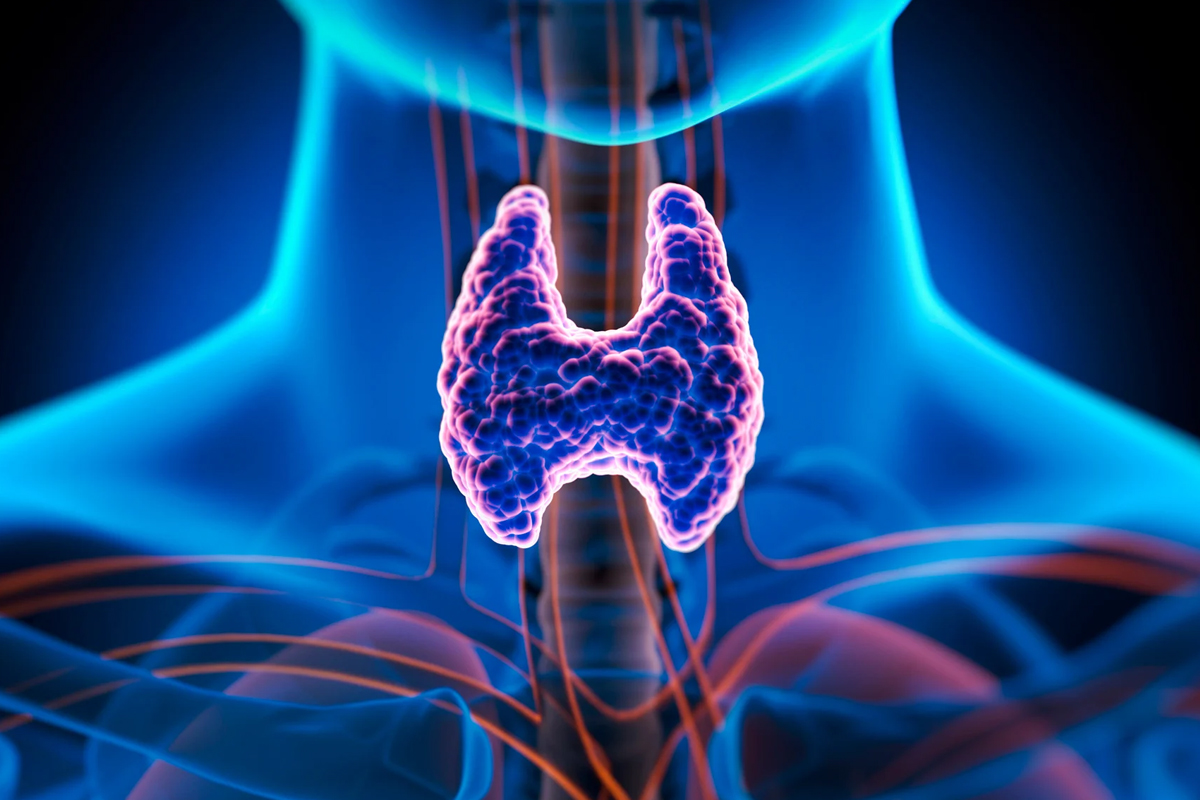
Thyroid Disorder Management
Thyroid disorder management focuses on identifying and treating conditions that affect the thyroid gland and the hormones it produces. These hormones play an important role in metabolism, energy levels, body temperature, heart rate and many other functions of the body.
Thyroid problems can develop gradually, and their symptoms may sometimes appear similar to everyday concerns such as tiredness, weight changes, mood changes or difficulty sleeping. A detailed medical evaluation can help identify whether the thyroid is contributing to these symptoms.
Thyroid management may involve blood tests, clinical assessment, medication, lifestyle guidance and regular follow-up. The treatment plan depends on the type of thyroid disorder, hormone levels, symptoms, medical history and individual health needs.
Conditions
What Thyroid Conditions Can Be Managed?
Thyroid disorders can affect the body in different ways depending on whether the thyroid produces too little or too much hormone. Thyroid-related care may include:
- Hypothyroidism
- Hyperthyroidism
- Underactive thyroid
- Overactive thyroid
- Thyroid hormone imbalance
- Thyroid-related weight changes
- Thyroid-related fatigue and low energy
- Thyroid-related menstrual or hormonal concerns
- Follow-up of previously diagnosed thyroid disorders
- Monitoring of thyroid hormone levels during treatment
- Thyroid concerns associated with other medical conditions
- Evaluation of symptoms suggestive of a thyroid disorder
If you have symptoms that may be related to thyroid function or have already been diagnosed with a thyroid disorder, regular medical evaluation can help monitor your condition and guide appropriate treatment.
Symptoms
What Symptoms May Be Associated With Thyroid Disorders?
Thyroid disorders can produce a wide range of symptoms. Some people may have only mild symptoms, while others may experience several changes affecting their daily life.
- Unexplained weight gain or weight loss
- Persistent tiredness or low energy
- Feeling unusually cold or unusually warm
- Increased sweating
- Fast or irregular heartbeat
- Changes in appetite
- Difficulty sleeping or excessive sleepiness
- Changes in mood, irritability or low mood
- Dry skin or changes in skin texture
- Hair thinning or increased hair fall
- Constipation or frequent bowel movements
- Muscle weakness, cramps or body discomfort
- Menstrual changes or irregular periods
- Difficulty concentrating or feeling mentally slowed down
- Swelling around the neck or a feeling of fullness in the throat
Symptoms May Not Always Be Obvious
Thyroid disorders can sometimes develop slowly, and symptoms may be mistaken for stress, ageing, lifestyle changes or other health concerns. Persistent or unexplained symptoms should be discussed with a physician rather than self-diagnosing a thyroid problem.
Sudden or severe symptoms such as significant breathing difficulty, severe chest discomfort, fainting or a very rapid heartbeat require urgent medical attention.
Causes
What Can Cause Thyroid Disorders?
Thyroid disorders can occur for different reasons. The underlying cause is important because treatment depends on the specific type of thyroid problem and how the thyroid gland is functioning.
Possible contributing factors may include:
- Autoimmune thyroid conditions
- Family history of thyroid disorders
- Inflammation of the thyroid gland
- Changes in thyroid hormone production
- Certain medications
- Previous thyroid surgery or treatment
- Changes affecting the pituitary-thyroid system
- Nutritional factors affecting thyroid function
- Other underlying medical conditions
- Pregnancy-related changes in thyroid function
Not Every Thyroid Symptom Means You Have a Thyroid Disorder
Weight changes, fatigue, hair fall and mood changes can have many possible causes. Proper medical evaluation and appropriate thyroid testing are important before starting any thyroid treatment.
Treatment
Personalised Management for Your Thyroid Health
Treatment for thyroid disorders depends on whether the thyroid is underactive, overactive or affected by another thyroid-related condition. The treatment plan is based on your symptoms, examination findings, thyroid hormone levels and overall health.
Depending on your condition, thyroid care may include:
Medical Evaluation
Your symptoms, medical history, medications and overall health are reviewed to understand whether thyroid dysfunction may be contributing to your concerns.
Thyroid Function Testing
Blood tests may be recommended to assess thyroid hormone levels and help understand how the thyroid is functioning. Additional tests may be advised when clinically required.
Medication Management
When medication is required, the appropriate treatment and dosage are selected according to the individual's condition. Regular follow-up may be needed to assess response and make adjustments when necessary.
Monitoring Thyroid Hormone Levels
Thyroid hormone levels may need to be monitored periodically, particularly when starting treatment, changing medication or managing a long-term thyroid condition.
Lifestyle & Dietary Guidance
Relevant lifestyle factors, nutrition, physical activity, sleep and other health concerns may be discussed as part of comprehensive thyroid care.
Long-Term Follow-Up
Some thyroid conditions require ongoing monitoring. Regular follow-up helps assess symptoms, review test results and maintain appropriate treatment over time.
Management of Associated Health Concerns
Thyroid disorders may occur alongside conditions such as diabetes, hypertension or other metabolic concerns. These health factors can be considered together while planning overall medical care.
Benefits
Why Is Proper Thyroid Management Important?
Better Understanding of Your Symptoms
A proper medical assessment can help determine whether symptoms such as tiredness, weight changes, hair fall or mood changes may be related to thyroid function or another health concern.
Appropriate Treatment Planning
Once the thyroid condition is identified, treatment can be planned according to your individual hormone levels, symptoms and overall health.
Regular Monitoring
Ongoing monitoring can help assess how well your thyroid condition is being managed and whether treatment requires adjustment.
Support for Better Energy & Daily Well-Being
Appropriate management of thyroid dysfunction may help address symptoms affecting energy, sleep, mood, concentration and daily activities.
Better Management of Associated Conditions
Thyroid health can be considered alongside other medical concerns such as diabetes, hypertension and metabolic health to provide more coordinated care.
Long-Term Health Monitoring
Regular medical follow-up helps keep track of thyroid function and supports timely management when symptoms or test results change.
Prevention
Can Thyroid Disorders Be Prevented?
Not all thyroid disorders can be prevented, particularly conditions related to autoimmune or genetic factors. However, staying aware of symptoms, maintaining overall health and following medical advice can support appropriate thyroid care.
Maintain a Balanced Diet
Follow a varied and nutritious diet that supports overall health. Avoid taking iodine or other supplements specifically for thyroid health unless advised by a healthcare professional.
Stay Physically Active
Regular physical activity can support healthy weight, metabolic health, cardiovascular health and overall well-being.
Monitor Changes in Your Health
Pay attention to persistent changes in weight, energy levels, heart rate, sleep, mood, bowel habits or menstrual cycles and discuss unexplained changes with a physician.
Take Prescribed Medication Regularly
If you have been prescribed thyroid medication, take it according to your doctor's instructions. Do not stop, restart or change the dose without medical advice.
Attend Recommended Follow-Ups
Regular follow-up and thyroid function testing may be important for people receiving long-term thyroid treatment.
Avoid Self-Medication
Thyroid medicines and supplements should not be started based only on symptoms or online information. Proper evaluation helps ensure that treatment is appropriate for your condition.
Discuss Thyroid Concerns During Pregnancy
Thyroid function can require special attention during pregnancy. If you have a known thyroid disorder or develop concerning symptoms, discuss them with your healthcare provider.
Take Control of Your Thyroid Health
Persistent tiredness, unexplained weight changes or other ongoing symptoms may sometimes be linked to thyroid function. A timely medical consultation can help you understand your symptoms and take the right step towards appropriate care.