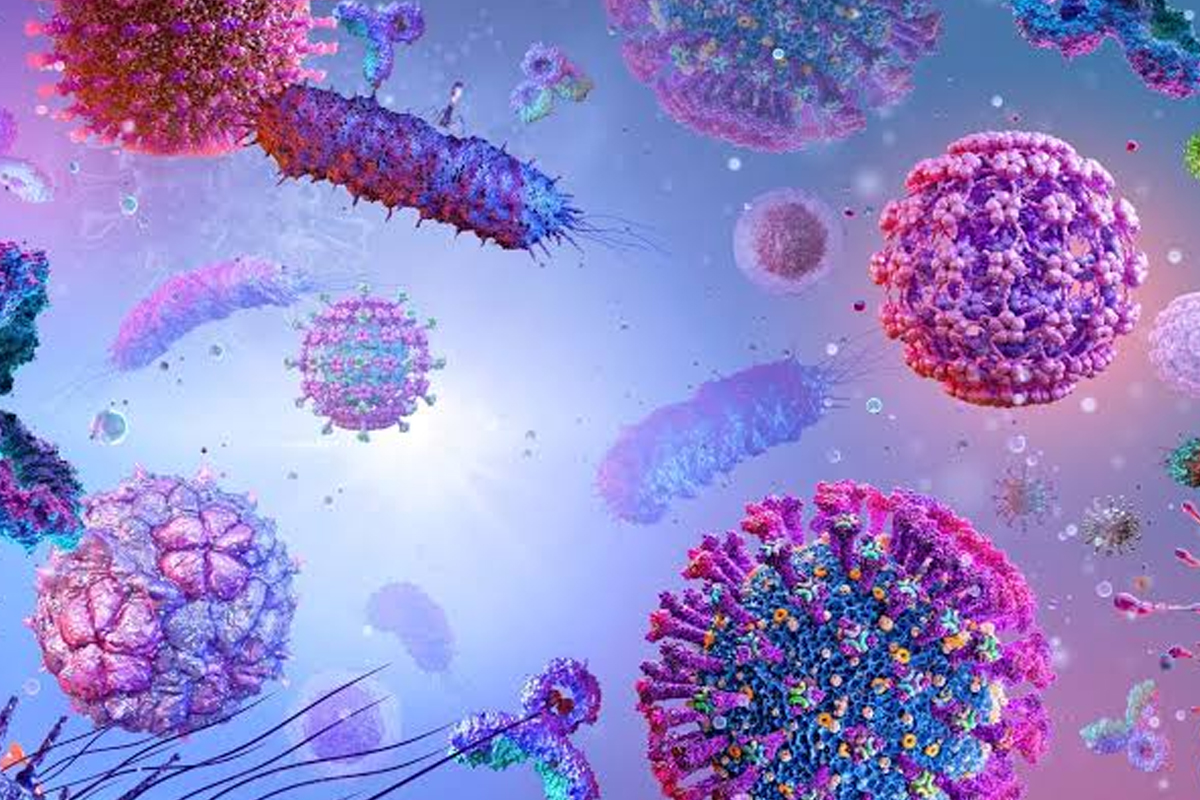
Infectious Disease Treatment
Infectious diseases are caused by microorganisms such as viruses, bacteria, parasites and fungi. They can affect different parts of the body and may range from mild, short-term illnesses to infections that require careful medical treatment and monitoring.
Infectious disease treatment begins with understanding the symptoms, duration of illness, medical history, possible exposure and overall health of the patient. A proper evaluation helps determine whether the symptoms are likely to be caused by an infection and whether further testing is required.
Treatment depends on the type and severity of infection. It may include medicines, supportive care, hydration, rest, monitoring and follow-up. Patients with conditions such as diabetes or other chronic illnesses may require additional attention because infections can sometimes affect their existing health conditions.
Conditions
What Infectious Diseases Can Be Evaluated and Treated?
Medical evaluation and treatment may be provided for a range of common and significant infectious conditions, including:
- Fever and unexplained fever
- Viral infections
- Bacterial infections
- Respiratory tract infections
- Gastrointestinal infections
- Urinary tract infections
- Skin and soft tissue infections
- Malaria and other mosquito-borne infections
- Tuberculosis (TB)
- COVID-19 and related respiratory infections
- Recurrent or persistent infections
- Infections in patients with diabetes or other chronic conditions
- Infections requiring closer medical monitoring
The type of infection cannot always be identified from symptoms alone. When necessary, appropriate laboratory tests or other investigations may be recommended to help guide treatment.
Symptoms
What Symptoms May Indicate an Infection?
Infections can produce different symptoms depending on the microorganism involved and the part of the body affected. Common symptoms may include:
- Fever or chills
- Cough, sore throat or breathing discomfort
- Runny or blocked nose
- Body aches and muscle pain
- Headache and weakness
- Unusual tiredness or loss of energy
- Nausea, vomiting or diarrhoea
- Abdominal discomfort or pain
- Burning or discomfort while urinating
- Skin redness, swelling or discharge
- Loss of appetite
- Unexplained weight loss in prolonged illness
- Persistent or recurring fever
- Swollen glands or other signs of infection
Persistent Symptoms Need Medical Attention
Many minor infections improve with appropriate supportive care, but symptoms that persist, worsen or repeatedly return should be medically evaluated. This is especially important for older adults and people with diabetes or other long-term medical conditions.
Seek Urgent Care for Severe Symptoms
Severe breathing difficulty, confusion, fainting, severe weakness, persistent vomiting, severe dehydration, significant chest pain or rapidly worsening symptoms require urgent medical attention.
Causes
What Causes Infectious Diseases?
Infectious diseases occur when harmful microorganisms enter the body and multiply or cause an immune response. Different infections spread in different ways, and understanding the possible source can help guide appropriate evaluation and prevention.
Possible sources and risk factors may include:
- Exposure to infected individuals
- Contaminated food or water
- Respiratory droplets and close contact
- Insect or mosquito bites
- Contact with contaminated surfaces or materials
- Poor hand hygiene
- Travel or exposure to areas with specific infections
- Weakened immune function
- Diabetes and other chronic health conditions
- Unhealed wounds or breaks in the skin
- Hospital or healthcare-associated exposure
- Other individual environmental or occupational exposures
The Cause of Fever Is Not Always an Infection
Fever and similar symptoms can sometimes occur due to conditions other than infection. A medical assessment helps determine the likely cause rather than assuming that every fever requires antibiotics.
Treatment
Appropriate Treatment Based on the Type of Infection
The treatment of an infectious disease depends on the suspected or confirmed cause, severity of symptoms, affected body system and overall health of the patient. Treatment is selected according to individual medical needs.
Depending on the condition, care may include:
Detailed Medical Evaluation
Symptoms, duration of illness, medical history, medications, possible exposure and other relevant health factors are reviewed to understand the infection.
Diagnostic Testing
When required, blood tests, urine tests, imaging or other investigations may be recommended to identify the cause of infection or assess its severity.
Appropriate Medicines
Depending on the infection, treatment may involve antiviral, antibacterial, antifungal or antiparasitic medicines. Antibiotics are used for appropriate bacterial infections and are not effective against viral infections.
Supportive Care
Adequate fluids, rest, nutrition and symptom relief may form an important part of recovery, depending on the illness and the patient's condition.
Monitoring During Treatment
Patients with significant or persistent infections may require monitoring of symptoms, vital signs, hydration and other health parameters to assess their response to treatment.
Management of Existing Conditions
Infections can affect conditions such as diabetes, hypertension and other chronic illnesses. These conditions may need to be monitored and managed alongside the infection.
Follow-Up Care
Follow-up may be recommended to ensure that symptoms are improving, treatment is working appropriately and any continuing concerns are addressed.
Hospital or Specialist Care When Required
Severe or complicated infections may require hospital admission, critical care or specialist evaluation depending on the patient's condition.
Benefits
Why Is Timely Infectious Disease Treatment Important?
Early Identification of Infection
Timely medical evaluation can help identify an infection and determine whether further investigations or treatment are required.
Appropriate Treatment Selection
Understanding the likely cause of an infection helps avoid unnecessary treatment and supports the use of appropriate medicines when they are indicated.
Monitoring for Complications
Some infections can become more serious if they progress. Medical monitoring helps identify worsening symptoms or complications that may require additional care.
Support for Faster Recovery
Appropriate treatment, supportive care and adequate follow-up can help support recovery while addressing the underlying infection.
Better Care for Patients With Chronic Conditions
People with diabetes and other chronic illnesses may require additional monitoring during an infection. Coordinated medical care can help address both the infection and existing health concerns.
Reduced Risk of Unnecessary Antibiotic Use
Not every infection requires antibiotics. Medical evaluation helps determine when antibiotics are appropriate and when supportive or other treatment is more suitable.
Prevention
Simple Measures Can Help Reduce Infection Risk
Not every infection can be prevented, but everyday hygiene, vaccination where appropriate and healthy habits can reduce exposure to many infectious diseases.
Practice Good Hand Hygiene
Wash your hands regularly with soap and water, particularly before eating, after using the toilet and after contact with potentially contaminated surfaces.
Follow Safe Food & Water Practices
Use safe drinking water, eat properly prepared food and maintain good food hygiene to reduce the risk of gastrointestinal infections.
Keep Recommended Vaccinations Up to Date
Vaccination can help protect against several infectious diseases. Discuss recommended vaccines with your healthcare provider based on your age, health conditions and individual risk.
Take Care During Respiratory Infections
Good respiratory hygiene, appropriate precautions during outbreaks and avoiding close contact when unwell can help reduce the spread of respiratory infections.
Protect Yourself From Mosquito-Borne Diseases
Use appropriate mosquito protection and reduce exposure to mosquito breeding areas, particularly in regions where diseases such as malaria are prevalent.
Manage Existing Health Conditions
Keeping conditions such as diabetes under appropriate control and maintaining regular medical care can be particularly important when dealing with infections.
Do Not Self-Medicate With Antibiotics
Avoid taking antibiotics without medical advice. The wrong antibiotic, dose or duration may not treat the infection and can contribute to antibiotic resistance.
Seek Medical Advice for Persistent Symptoms
If fever or other symptoms continue, worsen or repeatedly return, consult a physician for appropriate evaluation rather than repeatedly treating the symptoms on your own.
Don't Let an Infection Go Untreated
Persistent fever, recurring infections or worsening symptoms deserve proper medical attention. Timely evaluation can help identify the cause, guide appropriate treatment and support a safer recovery.