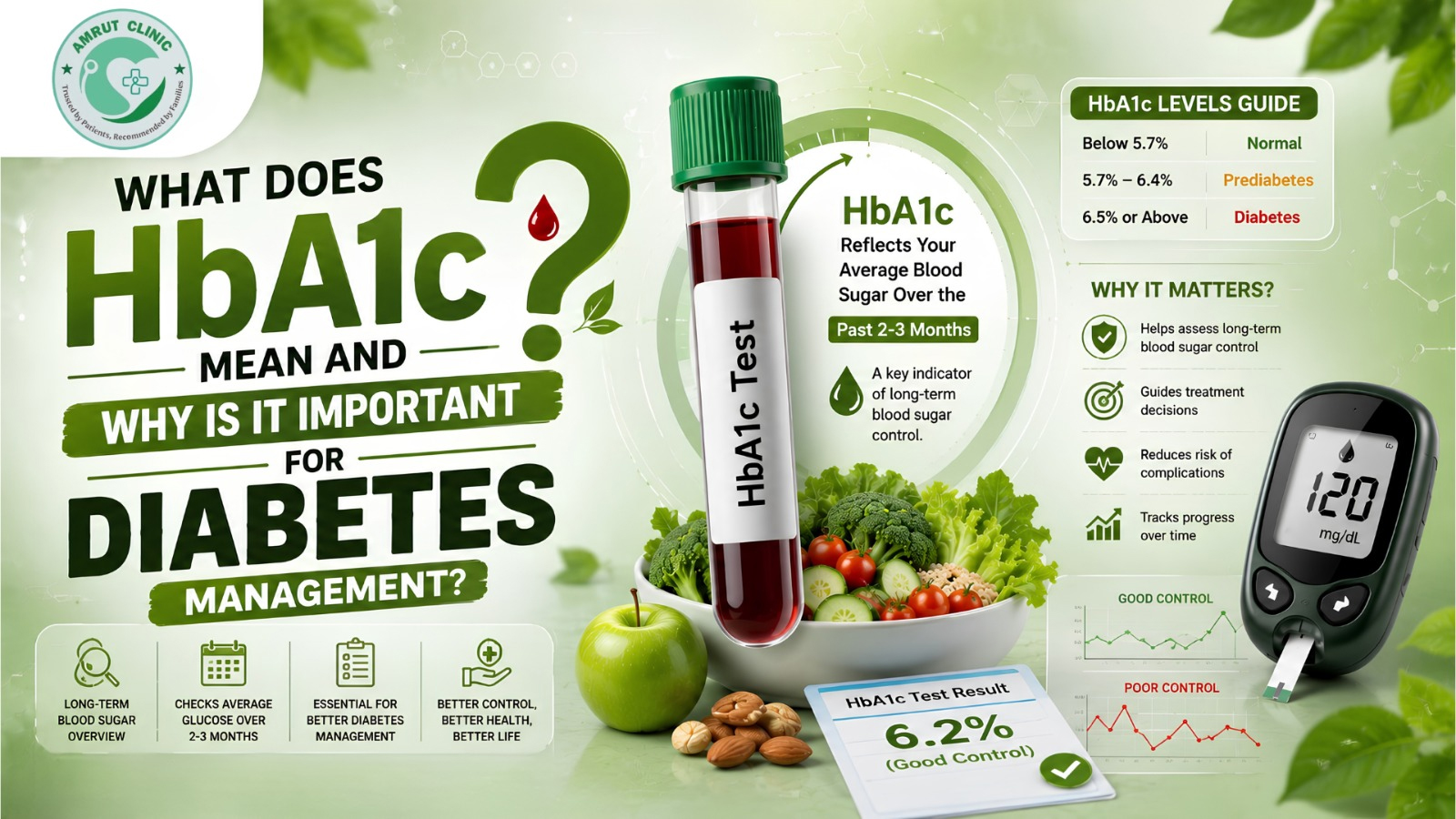
What Does HbA1c Mean and Why Is It Important for Diabetes Management?
If you've ever visited a diabetes specialist, chances are you've heard the term HbA1c during a consultation. For many patients, however, the number on the report can be confusing.
Questions like "My daily sugar readings seem normal, so why is my doctor concerned about my HbA1c?" or "What does this test actually measure?" are very common.
The truth is that HbA1c is one of the most important tools for understanding how well diabetes is being managed over time. Unlike a single blood sugar reading, it provides a broader picture of your glucose control and helps doctors make informed treatment decisions.
What Exactly Is HbA1c?
HbA1c, also known as glycated hemoglobin, is a blood test that measures your average blood sugar levels over the past two to three months.
When glucose circulates in the bloodstream, some of it attaches to hemoglobin, the protein in red blood cells that carries oxygen throughout the body. The higher your blood sugar levels remain over time, the more glucose attaches to hemoglobin.
The HbA1c test measures this percentage, giving doctors a clearer understanding of your long-term blood sugar control.
Think of it this way:
A regular blood sugar test is like taking a snapshot of one moment in time. HbA1c is more like watching a movie of your blood sugar patterns over several months.
Why Isn't a Single Sugar Reading Enough?
Many people check their blood sugar at home and feel reassured when the numbers look normal. While self-monitoring is important, those readings only show what your blood sugar is at that particular moment.
Blood sugar levels naturally fluctuate throughout the day depending on meals, physical activity, stress, sleep, medications, and other factors.
HbA1c helps reveal the bigger picture by showing whether blood sugar has remained consistently controlled over a longer period.
This makes it one of the most valuable tests used by a diabetes specialist in Kalyan when assessing diabetes management.
Why Is HbA1c So Important?
It Helps Detect Long-Term Blood Sugar Trends
Even when occasional sugar readings appear normal, HbA1c can reveal whether blood sugar levels have been elevated over several weeks or months.
This helps identify hidden issues before complications develop.
It Helps Guide Treatment Decisions
Doctors use HbA1c results to evaluate whether current medications, lifestyle modifications, and treatment plans are working effectively.
If the levels remain high, adjustments may be needed to improve blood sugar control.
It Helps Reduce the Risk of Complications
Maintaining a healthy HbA1c level can lower the risk of diabetes-related complications affecting the eyes, kidneys, nerves, heart, and blood vessels.
This is why regular monitoring is considered an essential part of diabetes treatment in Kalyan and around the world.
What Is Considered a Healthy HbA1c Level?
While target levels may vary depending on age, health status, and individual circumstances, general guidelines are often:
• Below 5.7%: Normal
• 5.7% to 6.4%: Prediabetes
• 6.5% or higher: Diabetes
For many people already diagnosed with diabetes, healthcare providers may recommend maintaining HbA1c below a specific target based on their overall health profile.
Your doctor can help determine the goal that is most appropriate for you.
What Can Cause HbA1c Levels to Rise?
Several factors can contribute to higher HbA1c levels, including:
• Frequent blood sugar spikes
• Poor dietary habits
• Lack of physical activity
• Chronic stress
• Inadequate sleep
• Missed medications
• Delayed diabetes diagnosis
Because HbA1c reflects long-term patterns, even small daily habits can influence the final result.
Improving HbA1c Starts With Everyday Choices
The encouraging news is that HbA1c levels often improve when healthy habits become consistent.
Some practical steps include:
• Eating balanced meals at regular intervals
• Staying physically active
• Taking medications as prescribed
• Monitoring blood sugar levels regularly
• Managing stress effectively
• Prioritizing good sleep habits
• Attending routine medical check-ups
Small improvements made consistently can have a meaningful impact over time.
Why Regular HbA1c Testing Matters
Many people wait until symptoms appear before taking diabetes seriously. However, diabetes-related complications often develop silently.
Regular HbA1c testing allows doctors to monitor progress, detect concerns early, and adjust treatment before serious health problems occur.
At Amrut Clinic, a trusted diabetes clinic in Kalyan, we encourage patients to view HbA1c as more than just a number on a lab report. It is a valuable indicator of how well diabetes is being managed and an important guide for long-term health.
The Bottom Line
Managing diabetes is not just about controlling today's blood sugar reading, it's about protecting your health for the months and years ahead.
HbA1c provides a clearer picture of your overall diabetes control and helps both patients and doctors make better decisions about treatment and lifestyle changes.
If you're living with diabetes or have been advised to monitor your risk, regular HbA1c testing and guidance from an experienced diabetes specialist in Kalyan West can play a key role in maintaining healthier blood sugar levels and reducing future complications.
Because when it comes to diabetes management, understanding your numbers today can help protect your health tomorrow.